Looking for the complete guide? Read: Best Places to Photograph the Everglades by Edin Chavez — National Geographic photographer who has shot the Everglades for 20 years.
As you step into the humid, wild embrace of South Florida, you’re not just entering a swamp: you’re entering a biological cathedral. Many people see the Everglades as a flat, monotonous landscape, but as a photographer, you know better. You see the subtle shift in light across the sawgrass, the prehistoric gaze of an alligator, and the ethereal mist clinging to a cypress dome.
Navigating this 1.5-million-acre "River of Grass" can be daunting if you don't have a plan. That’s why I’ve put together this comprehensive guide. Whether you are chasing the perfect frame for a fine art print or looking to sharpen your skills in wildlife photography Everglades style, this guide will ensure you are in the right place at the right time.
For those who want the definitive resource, you can grab the Everglades Photography Guide to have all these secrets in your pocket.
1. Anhinga Trail: The Wildlife Photography Hub
Just as the sun begins to peek over the horizon, you need to be at the Anhinga Trail. Located near the Royal Palm Visitor Center, this is arguably the most productive spot for wildlife photography Everglades has to offer. The boardwalk puts you right over the water, providing a front-row seat to the daily lives of the park’s most iconic residents.
You’ll find Anhingas drying their wings with calculated patience, Great Blue Herons stalking the shallows, and alligators that are remarkably indifferent to your presence. Because the animals here are accustomed to the boardwalk, you can capture intimate portraits without disturbing their natural behavior.
Pro Tip for Your Session:
Arrive before sunrise. The low-angled golden light creates a dreamlike quality, and if you're lucky, a layer of mist will separate your subject from the background, adding that professional fine-art depth. Use a 70-200mm lens to keep some environmental context in your shots.
| Feature | Photographer's Benefit |
|---|---|
| Accessibility | Boardwalk allows for easy gear transport and stable tripod setups. |
| Proximity | High density of wildlife allows for close-up shots without 600mm lenses. |
| Light Quality | Open water areas capture stunning reflections during the golden hour. |

2. Shark Valley: Panoramic Landscapes and Vistas
If you are looking for that quintessential landscape photography Everglades shot, Shark Valley is your destination. Located off U.S. 41, this 15-mile loop is a masterclass in scale. You can explore it by bike, tram, or on foot, but for the best photographic results, I recommend two wheels. It allows you to stop the moment you see a composition forming.
The Shark Valley Observation Tower is the star here. It provides a 360-degree view of the vast sawgrass prairies. From this height, you can capture the dramatic Florida cloud formations that define the region’s atmosphere.
Capturing the Fine Art Edge:
When you’re at the top of the tower, look for the patterns in the water and grass. This minimalist approach is what separates a snapshot from a piece of fine art. To truly make those colors pop and handle the complex dynamic range of a Florida sunset, you should check out the Ultimate Lightroom Preset Collection. It’s what I use to give my work that polished, professional finish.
3. Pahayokee Overlook: The Iconic "River of Grass"
Pahayokee is where you go when you want to feel the silence. This raised observation platform provides an elevated view of the "River of Grass," punctuated by distant, lonely cypress domes. This is the spot for sunrise.
As you position yourself to shoot toward the east, use the silhouettes of the dwarf cypress trees against a vibrant sky. The minimalist aesthetic here is perfect for those looking to create work for Edin Fine Art. Collectors often look for these serene, expansive views that bring the peace of nature into a home or office.
Your Gear Strategy:
- Wide Angle (16-35mm): For capturing the massive scale of the sky.
- Graduated ND Filter: To manage the bright horizon while keeping detail in the sawgrass.
- Tripod: Essential for those pre-dawn long exposures.

Even though this image shows coastal mist elsewhere, it represents the ethereal, minimalist mood you should aim for at Pahayokee during the blue hour.
4. Eco Pond & Flamingo: Sunset Mastery
Located at the very end of the main park road, the Flamingo area is a coastal transition zone where fresh water meets the salt of Florida Bay. Eco Pond is legendary for its sunset photography. This is where you’ll find the iconic Roseate Spoonbills, their pink feathers glowing against the fiery orange of a setting sun.
Beyond the pond, the Flamingo Marina often hosts manatees and crocodiles. It’s a target-rich environment. Because this is a coastal area, the light has a different quality: clearer and more intense.
By integrating these coastal elements into your portfolio, you show the full diversity of the park. If you find yourself heading back toward the city after a long day of shooting, don't forget to explore some of the Miami hidden gems or dive into our Miami category for more urban inspiration.
5. Loop Road & Big Cypress: The Wild Frontier
Technically just outside the main Everglades National Park gates, Big Cypress National Preserve and the famous Loop Road offer a grittier, more textured version of the swamp. This is where you find the ancient cypress domes, ghost orchids (if you’re lucky), and the elusive Florida Panther.
Loop Road is best experienced during overcast conditions or early morning when the "swamp breath" (mist) is thick. The towering cypress trees draped in Spanish moss provide incredible leading lines and textures for black and white photography.

Strategic Planning for Your Visit
To succeed in the Everglades, you must be strategic. The park is massive, and driving between locations takes time. A common mistake is trying to see everything in one day. Instead, pick a "zone" for your morning and a different one for your evening.
- Morning Zone: Start at Pahayokee for sunrise, then move immediately to Anhinga Trail while the wildlife is still active.
- Mid-Day: This is the best time for scouting or macro photography. Focus on the Lizard's Eye or the Orchid Blooms in the shaded hammock trails.
- Evening Zone: Head to Shark Valley for the high-vantage sunset or Flamingo for the coastal colors.

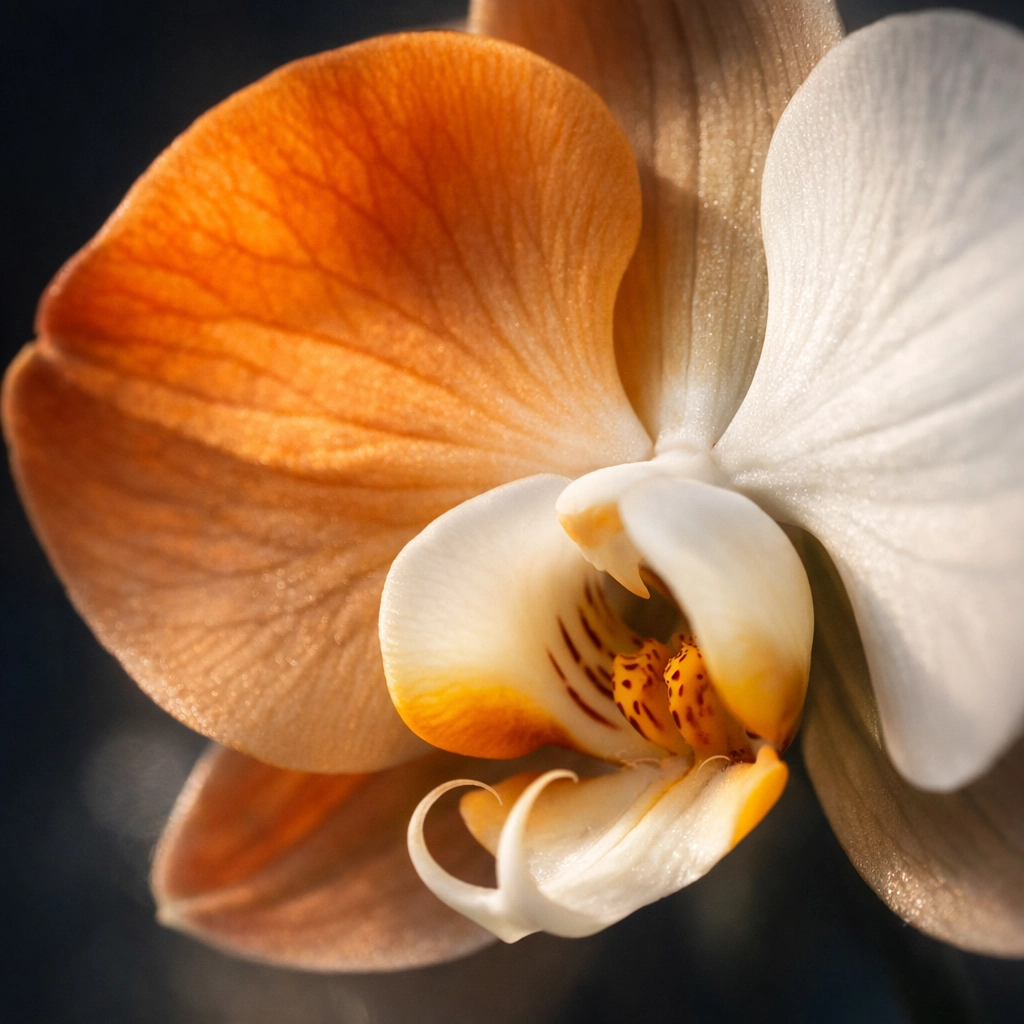
With these locations in mind, you are well on your way to capturing world-class images. However, the Everglades is a fickle beast. Weather changes in minutes, and knowing the exact spots to stand can make the difference between a wasted trip and a gallery-worthy shot.
For a step-by-step roadmap, you absolutely need the Everglades Photography Guide. It covers everything from seasonal water levels to the exact GPS coordinates of my favorite hidden spots.
Fine Art and Beyond
The Everglades is more than just a photography location; it is an experience that changes you. The images you create here have the power to tell a story of conservation, beauty, and the raw power of nature. When you get home and start processing your files, remember that your goal is to translate that feeling into a visual medium.
If you’re looking to add a piece of this wilderness to your own collection without the mosquito bites, you can browse my latest Everglades fine art prints.
This commitment to capturing the soul of a place is what we strive for at Edin Studios. We believe that every photographer has the potential to create something timeless. By visiting these Everglades photography locations with purpose and the right preparation, you aren't just taking photos; you are creating a legacy.
Hence, with these considerations in mind, grab your gear, pack your bug spray, and go find your shot. The River of Grass is waiting for you.
For more insights on how to elevate your work, explore our site at Edin Chavez Blog for a deep dive into hundreds of tutorials and guides.
Fine Art Photography Prints
Own a museum-quality archival print by Edin Chavez
Hahnemühle archival paper · From $95
BROWSE PRINTS LIMITED EDITIONS