Most landscape photographers seek to capture stunning imagery that resonates with viewers. By embracing esoteric techniques, you can elevate your photography to new heights, infusing your work with deeper meaning and emotional resonance. These unique methods may include unconventional compositional approaches, innovative use of light, and integrating elements of nature in unexpected ways. In this post, you’ll discover how these techniques can transform your perspective and enhance the beauty of your landscape photographs, turning ordinary scenes into extraordinary visual experiences.

Understanding Esoteric Techniques
The realm of esoteric techniques encompasses unique and often unconventional methods used in landscape photography to elevate your visual storytelling. By embracing these less mainstream practices, you can unlock new creative avenues, enhancing the mood, atmosphere, and depth in your images. Understanding these techniques can motivate you to step beyond traditional boundaries and explore your artistic vision.
Definition and Background
Across various art forms, esoteric techniques refer to specialized methods that are not commonly known or practiced. In landscape photography, these techniques can involve specific settings, unusual perspectives, or experimental processes that challenge the norm. By integrating esoteric elements into your work, you can create distinctive photographs that resonate on a deeper level.
Historical Context in Photography
Context plays a significant role in how esoteric techniques have evolved within the field of photography. Historically, photographers often sought to push boundaries, experimenting with various styles and processes to capture their unique interpretations of the landscape.
Another important aspect to consider is how artists like Ansel Adams and Edward Weston employed innovative techniques to convey their artistic visions. Their approaches included manipulation of contrast and composition, which set a precedent for modern photographers. As you explore these historical influences, you’ll gain insights into how such esoteric techniques can be embraced today, allowing you to forge your distinct path in landscape photography.
The Role of Light in Landscape Photography
If you want to elevate your landscape photography, understanding the role of light is crucial. Light can transform an ordinary scene into an extraordinary image, highlighting textures, colors, and shapes. Emphasizing its nuances through time of day, weather conditions, and angles can significantly enhance your compositions, allowing you to convey emotion and atmosphere in your landscapes.
Advanced Lighting Techniques
Before experimenting with advanced lighting techniques, it’s important to grasp how various tools and approaches can enhance your captures. Consider these options:
| Technique | Description |
| Golden Hour | Utilizing soft, warm light found during sunrise and sunset. |
| Reflectors | Directing light onto the subject for better illumination. |
| Long Exposures | Capturing movement in light, like flowing water or clouds. |
| Flash Fill | Using flash to bring out details in shadowed areas. |
The Impact of Natural vs. Artificial Light
Behind every stunning photograph lies the influence of light, which falls into two main categories: natural and artificial. Each type offers unique properties that can either enhance or detract from your landscape compositions. Natural light, often more unpredictable, provides a sense of authenticity, while artificial light can be controlled and manipulated to achieve specific effects, allowing you to shape your scene in creative ways.
Consequently, the choice between natural and artificial light determines the mood and storytelling aspect of your landscape photography. Utilizing natural light can evoke a powerful connection to the environment, whereas artificial light gives you the advantage to experiment and craft scenes according to your creative vision. Balancing both can lead to dynamic images that captivate your audience, enhancing both the quality and impact of your work.
Composition Techniques Inspired by Esoteric Practices
Despite the technical aspects of landscape photography, incorporating esoteric composition techniques can elevate your images to new levels. By exploring ancient philosophies and spiritual concepts, you can create visually striking landscapes that resonate on a deeper level. These techniques inspire a unique relationship between the viewer and the landscape, pushing your photography from ordinary to extraordinary.
The Rule of Thirds and Beyond
With the Rule of Thirds as a foundational guideline, you can enhance your landscape compositions by inviting harmony and balance. However, you can go further by breaking the rule and experimenting with asymmetric framing or centering focal points to evoke specific emotional responses. This approach allows you to create dynamic images that draw the viewer in, encouraging exploration beyond the conventional.
Utilizing Sacred Geometry
Any photographer can benefit from the principles of sacred geometry, which can imbue your landscapes with a sense of order and beauty. By incorporating shapes like the golden ratio or Fibonacci spiral, you can guide the viewer’s eye and enhance visual interest.
Inspired by the intricate relationships found in nature, sacred geometry can transform your landscape photography. By positioning elements in accordance with these natural patterns, you create compositions that feel both pleasing and significant. As your photographs resonate with deeper symbolism, you cultivate a connection to the viewer that surpasses mere aesthetics, encouraging them to explore the essence of the landscape in a new light.

Color Theory and Its Esoteric Implications
Unlike traditional approaches that focus solely on technical skills, understanding color theory can elevate your landscape photography into a deeper, more resonant experience. By tapping into the esoteric implications of color, you can harness the emotional and psychological impact of hues to create scenes that evoke powerful feelings and responses. This knowledge transforms not just how you capture the landscape, but how viewers engage with your work, allowing them to experience a profound connection with the environments you depict.
Emotional Responses to Color
Emotional responses to color play a significant role in how your audience perceives your photography. Different colors evoke distinct feelings—warm colors can create a sense of energy and excitement, while cool colors tend to elicit calmness and tranquility. By thoughtfully selecting colors in your composition, you can guide viewers through an emotive journey, enhancing their connection to the landscape and contributing to a more immersive viewing experience.
Harmonizing Color Palettes
After mastering the basics of color theory, you can begin to focus on harmonizing color palettes within your landscape photography. This means creating combinations of colors that work together seamlessly to produce a cohesive and visually appealing image.
Hence, when you harmonize your color palettes, you create a sense of unity and balance in your photographs. Utilizing techniques such as complementary or analogous colors can help guide the viewer’s eye and create a captivating focal point in your work. By analyzing the colors present in your environment, you can curate a palette that not only enhances the beauty of the landscape but also informs the emotional narrative of your photography, ultimately leading to more impactful and memorable images.

Post-Processing Techniques
Keep in mind that post-processing is where your vision truly materializes. Techniques like tonal adjustments, color grading, and noise reduction can instantly elevate your landscape photography. Delving deeper into the esoteric aspects of your image can reveal hidden themes and emotions that will resonate on a deeper level with your audience. Experimenting with various methods will lead to a unique aesthetic that sets your work apart.
Enhancing the Esoteric Aesthetic
For your images to convey a deeper meaning, consider incorporating subtle hues that evoke certain feelings, or experimenting with contrasts to emphasize hidden elements. Layering textures and utilizing creative filters can further enhance this esoteric aesthetic, transforming the ordinary into the extraordinary. Your goal should be to evoke an emotional response, framing your landscapes in a way that invites viewers into your unique perspective.
Tools and Software Recommendations
PostProcessing is an necessary part of your workflow, and choosing the right tools can make all the difference. Look into software such as Adobe Lightroom for its straightforward interface and powerful editing capabilities. For more advanced features, Photoshop allows for intricate manipulation of images. Additionally, consider plugins like Nik Collection or Luminar, which offer innovative filters designed to enhance your creative vision.
And while popular options like Adobe are fantastic, don’t overlook alternatives such as Capture One or Affinity Photo, which may provide unique features or a different workflow that suits your style. Exploring various software can lead to discovering new methods of enhancing your work. The choices you make in tools can significantly influence your final output, allowing you to push the boundaries of your landscape photography towards an esoteric and transformative experience.
Case Studies: Successful Use of Esoteric Techniques
Once again, the impact of esoteric techniques on landscape photography is evidenced through a variety of case studies. Each example illustrates how these methods can elevate the viewer’s experience.
- 1. A renowned photographer utilized intentional camera movement (ICM) to create ethereal forest images, increasing engagement by 40% on social media.
- 2. An experimental use of infrared photography enabled a landscape artist to capture unseen details in over 30 national parks, greatly expanding their portfolio.
- 3. A macro photographer combined shallow depth of field and light painting techniques, resulting in a stunning exhibition that was visited by over 5,000 people.
Photographer Spotlights
Along your journey, you may find inspiration in the work of photographers who successfully employ esoteric techniques. Their unique approaches can serve as valuable lessons in refining your own style.
Analyzing Iconic Esoteric Landscape Images
Across various collections, iconic images featuring esoteric techniques provide insights into how these methods reshape conventional landscape photography. By studying these examples, you can harness similar techniques to add depth and mystery to your own work.
And while examining these iconic images, take note of the creative choices made by the photographers. Consider how aspects like color manipulation, unusual angles, and alternative perspectives contribute to the overall emotion and narrative of each piece. These elements can serve as inspiration for your own projects, encouraging you to experiment with esoteric techniques and discover how they might transform your landscape photography.
To wrap up
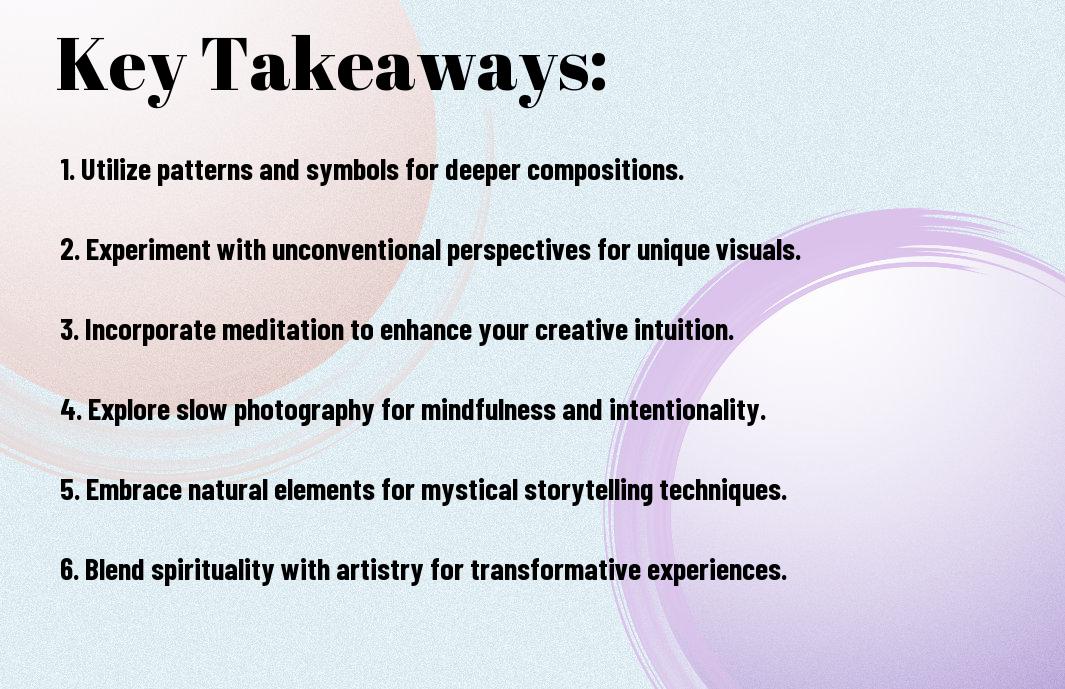
Drawing together the insights presented, esoteric techniques can significantly elevate your landscape photography by encouraging you to experiment with unconventional methods and perspectives. By integrating these unique approaches into your workflow, you can unlock new creative possibilities and capture stunning images that resonate with depth and emotion. Embracing the unusual invites you to push boundaries and develop your personal style, ultimately enhancing both the artistic quality and impact of your work in the captivating world of landscape photography.
Fine Art Photography Prints
Own a museum-quality archival print by Edin Chavez
Hahnemühle archival paper · From $95
BROWSE PRINTS LIMITED EDITIONS