There’s a world of breathtaking landscapes waiting to be captured, and with the right techniques, you can transform your photos into stunning visuals. Whether you’re a novice or looking to refine your skills, understanding a few fundamental tips can significantly enhance your landscape photography. In this post, you’ll discover imperative strategies to elevate your images, ensuring they truly reflect the beauty of the great outdoors. Get ready to embrace your creativity and take your landscape shots to the next level!
Mastering the Essentials of Composition
Composition is the backbone of any stunning landscape photograph. Understanding how to arrange the elements within your frame will dramatically enhance the impact of your images. By utilizing well-established techniques, you can create a balanced and harmonious shot that draws the viewer in, emphasizes your subject, and tells a compelling story. Learning these crucial rules allows you to harness your creativity while ensuring a solid foundation for your photography skills.
The Rule of Thirds: Breaking Down the Grid
The Rule of Thirds is a timeless guideline that can transform an ordinary photograph into a striking one. Envision your frame divided into nine equal parts by two horizontal and two vertical lines. By positioning key elements along these lines or at their intersections, you create a more dynamic and engaging composition, inviting the viewer to explore different areas of the photograph.
Leading Lines: Guiding the Viewer’s Eye
Leading lines are powerful compositional tools that naturally draw your viewers into the scene. These lines can be anything from roads and rivers to fences and shadows. By strategically placing them within your frame, you create pathways that lead the eye through the image, establishing a sense of depth and encouraging exploration of the landscape.
Incorporating leading lines effectively can add dramatic flair to your landscape shots. Imagine a winding road that meanders into the distance, inviting viewers to imagine where it leads. Alternatively, a river cutting through the foreground can create a natural flow that directs the gaze to distant mountains. Aim to position these lines in a way that guides the viewer seamlessly through the composition, fostering both intrigue and balance. This technique not only structures your photograph but also contributes to the overall narrative you wish to convey.
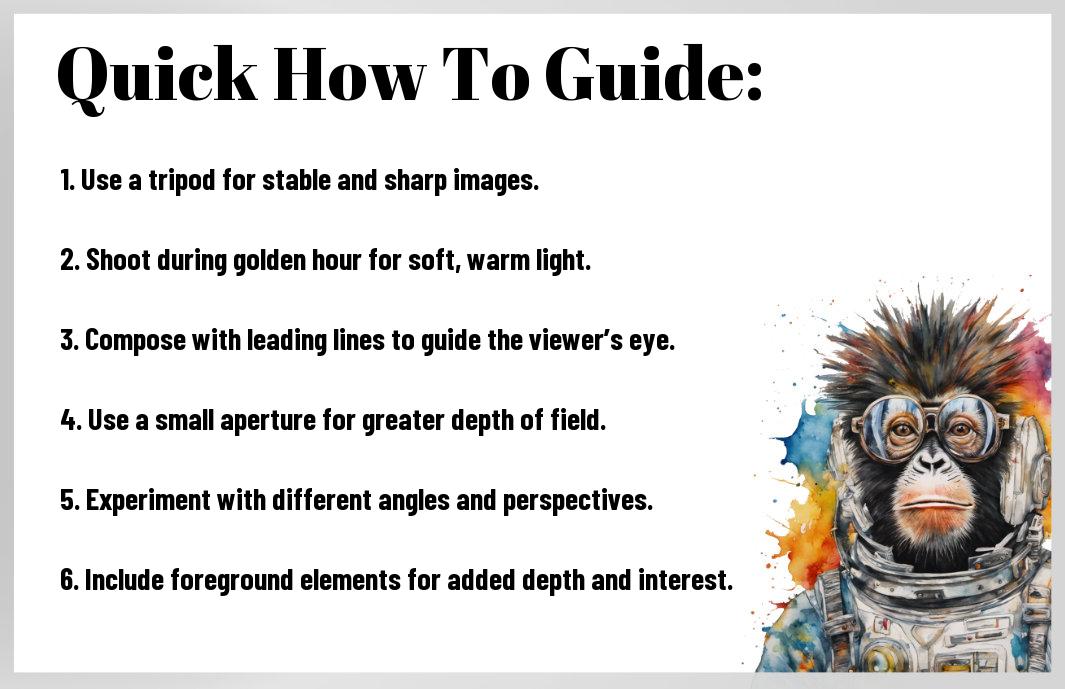
The Role of Natural Light in Landscape Photography
Natural light plays a transformative role in landscape photography, influencing both mood and tone. The quality of light can alter the scene drastically, accentuating textures, colors, and contrasts. To achieve stunning shots, observing how light interacts with the landscape at different times of day is imperative. As the sun rises or sets, watch for how shadows lengthen and colors intensify, creating visually engaging compositions that elevate your work.
Golden Hour: Capturing the Perfect Glow
Golden hour, occurring shortly after sunrise and before sunset, is one of the most coveted times for landscape photography. The soft, warm hues bathe the landscape in a magical glow, enhancing your images and making colors pop. During this time, shadows are softer, adding depth while reducing harsh highlights. Planning your shoots around golden hour can elevate your landscape photos to awe-inspiring levels.
Weather Conditions: Using Atmosphere to Your Advantage
Weather can create unique atmospheres that lend emotion and drama to your landscape images. Each condition offers differing lighting and mood, whether it’s a sudden storm that adds foreboding clouds or a clear blue sky that brings vibrancy. Utilizing overcast days allows for even lighting, minimizing shadows while highlighting details. Don’t shy away from unpredictable weather; it’s often the unexpected conditions that can produce your most compelling shots.
As far as harnessing weather for your landscape photography, think outside the box. A light drizzle can produce dramatic clouds and reflectiveness in puddles, while fog can create ethereal, serene scenes. On the other hand, stormy skies can introduce intensity and urgency in your shots. Understand how different weather elements impact light and visibility, allowing you to capitalize on the mood each unique condition creates. By embracing the environment around you, your landscape photos will become rich in character and atmosphere.
Equipment Choices That Make a Difference
Choosing the right equipment can significantly enhance your landscape photography. While high-end gear can be advantageous, understanding how to effectively utilize what you have is equally key. Prioritize quality lenses, sturdy tripods, and accessories tailored for your shooting environment. A well-thought-out kit ensures that your creative vision translates into stunning imagery, regardless of the conditions you encounter.
Lenses: Selecting the Right Glass for Your Vision
The lens you choose is fundamental in capturing the landscape’s essence. Wide-angle lenses (14mm-24mm) excel in emphasizing expansive vistas, while telephoto lenses allow you to isolate distant details for impactful compositions. A fast aperture can be beneficial for low-light conditions, letting in more light while creating beautiful background blur. Select a lens that aligns with your artistic goals and the scenes you wish to capture.
Tripods and Stability: Keeping Your Shots Steady
A tripod is an vital tool for achieving sharp images in landscape photography. It stabilizes your camera against wind and vibrations, particularly during long exposures or in challenging lighting conditions. Look for a lightweight yet sturdy model that can easily support your gear. Enhancing stability helps you capture those breathtaking moments with precision, especially during sunrise and sunset when light changes rapidly.
Investing in a high-quality tripod can make a noticeable difference in your landscape shots. For instance, utilizing a tripod enables you to shoot at lower shutter speeds without introducing blur, which is particularly useful when capturing flowing water or fine details in the sky at dusk. An adjustable tripod with a ball head allows for flexible composition adjustments, helping you frame your shots perfectly. Whether you’re hiking in rugged terrain or shooting on the beach, a reliable tripod will help you maintain optimal stability, giving your photographs that professional touch they deserve.
Post-Processing Techniques for Impactful Images
Your journey doesn’t end with capturing the perfect shot; it continues with post-processing techniques that can elevate your landscapes to new heights. Programs like Adobe Lightroom or Photoshop allow you to enhance your images, adjusting elements like exposure, contrast, and sharpness to make your landscapes pop. Optimizing these details not only helps bring out the beauty of your scene but also ensures your photographs stand out in a sea of images. With a few adjustments, you can turn a good shot into a breathtaking masterpiece.
Color Correction: Enhancing Nature’s Palette
Fine-tuning color balance can transform the mood of your landscape shot. By adjusting saturation and vibrancy, you can bring out the vivid hues in a sunset or the deep greens of foliage, making the viewer feel as if they are right there with you. Utilizing the HSL panel to isolate and modify specific colors can ensure that nature’s true palette shines through in your final image.
Cropping and Framing: Refocusing Your Subject
Refining your composition through cropping can direct attention to your subject and eliminate any distracting elements. Even small adjustments can significantly alter the viewer’s perception of the scene, leading their eye to the focal point you wish to emphasize. Experiment with different aspect ratios to find the perfect fit for your image.
Pertaining to cropping, think about the Rule of Thirds as a guide for composing your image effectively. Instead of placing the horizon line directly in the center, try positioning it along the top or bottom third of the frame to create dynamic tension and balance. This method can also allow you to highlight interesting foreground elements or leading lines that draw the viewer deeper into the landscape. Adjusting your crop can also help create a sense of scale or emphasize the vastness of your environment, making your image more impactful. Don’t hesitate to crop tightly around your subject to produce a more intimate and engaging photograph.
Common Pitfalls and How to Avoid Them
Every landscape photographer faces challenges in capturing the perfect shot. Common mistakes like overexposing highlights or underexposing shadows can ruin an otherwise stunning scene. Learning how to avoid these pitfalls will elevate your photography skills and result in more vibrant images that accurately represent the beauty of the landscape.
Overexposure and Underexposure: Finding Balance
Balancing exposure often involves understanding your camera’s metering mode. You might want to experiment with spot metering when shooting bright scenes, allowing you to focus on a specific part of the image to achieve more accurate exposure. In contrast, using exposure compensation helps manage overly dark or light images—adjusting the exposure by just one or two stops can make a significant difference.
Forgetting the Foreground: Adding Depth to Your Shots
Including an interesting foreground element can significantly enhance depth and dimension in your landscape photos. Whether it’s rocks, flowers, or dramatic clouds, these elements guide the viewer’s eye into the shot, making the image feel more immersive and engaging. Strive to compose your shot with layers that draw the viewer from the foreground through to the background.
Capturing the foreground is more than just a matter of convenience; it helps set the scene and establish a sense of scale. For example, incorporating a winding river, a field of wildflowers, or a rugged rock formation can create a pathway that leads the viewer’s gaze through the photograph. This technique not only adds visual interest but also provides context, enriching the overall story told by your image. Aim to find intriguing details in the foreground that complement the larger landscape, making the scene more dynamic and compelling.
Summing up
With these considerations, you can enhance your landscape photography skills and capture stunning images that truly reflect the beauty of your surroundings. By focusing on composition, lighting, and the right equipment, you can create impactful shots that resonate with viewers. Don’t hesitate to experiment with different perspectives and techniques to find your unique style. Ultimately, practice and patience will lead to remarkable results in your photography journey.
Fine Art Photography Prints
Own a museum-quality archival print by Edin Chavez
Hahnemühle archival paper · From $95
BROWSE PRINTS LIMITED EDITIONS