Over the years, portrait photography has evolved into an art form that requires both technical knowledge and creative vision. This guide will equip you with effective how-to tricks that empower you to elevate your portrait photography skills. Whether you’re an aspiring photographer or looking to refine your craft, you will learn tips on lighting, composition, and posing that can transform your images. Let’s research into the necessarys that will help you capture stunning portraits that truly reflect the essence of your subjects.
The Art of Connection: Building Rapport with Your Subjects
Establishing a genuine connection with your subjects is fundamental to capturing their true essence in portrait photography. When you build rapport, it allows your subject to feel more relaxed and open, resulting in more authentic expressions and poses. One effective way to connect is by engaging in light conversation before the shoot, asking them about their interests, or sharing something personal about yourself. This mutual exchange can help to break the ice and create an atmosphere of trust, making it easier for you to capture those candid moments that define great portraits.
Techniques for Eliciting Authentic Expressions
To capture genuine emotions, utilize techniques like directing your subjects to visualize a personal story or memory. Encourage them to think about moments of joy, nostalgia, or humor, which can lead to spontaneous reactions. Posing prompts that involve action, such as asking them to walk or engage in a playful activity, can also elicit more relaxed and natural expressions, rather than stiff ones typical of traditional posing.
Strategies for Overcoming Shyness and Making Subjects Comfortable
Creating a comfortable environment is vital for timid subjects. Focus on establishing a calm atmosphere by using music they enjoy or offering a relaxed setting where they feel safe to express themselves. Begin the session with easy, non-intimidating poses that allow them to ease into the shoot without feeling pressured. Sharing a few of your own experiences or even showing some behind-the-scenes moments can also help in diminishing any anxiety they might have.
Additionally, body language plays a significant role in making your subjects feel at ease. Maintain a friendly demeanor and encourage open communication. If you sense shyness, incorporate humorous anecdotes or light-hearted games into your session to lighten the mood. Active listening can also be effective; acknowledging their feelings and responding with empathy creates trust. By weaving these strategies into your portrait sessions, you’ll create an environment where natural authenticity flourishes, leading to breathtaking photographs. Be mindful of, the goal is to let your subject shine in their individuality, making the portrait a true reflection of who they are.
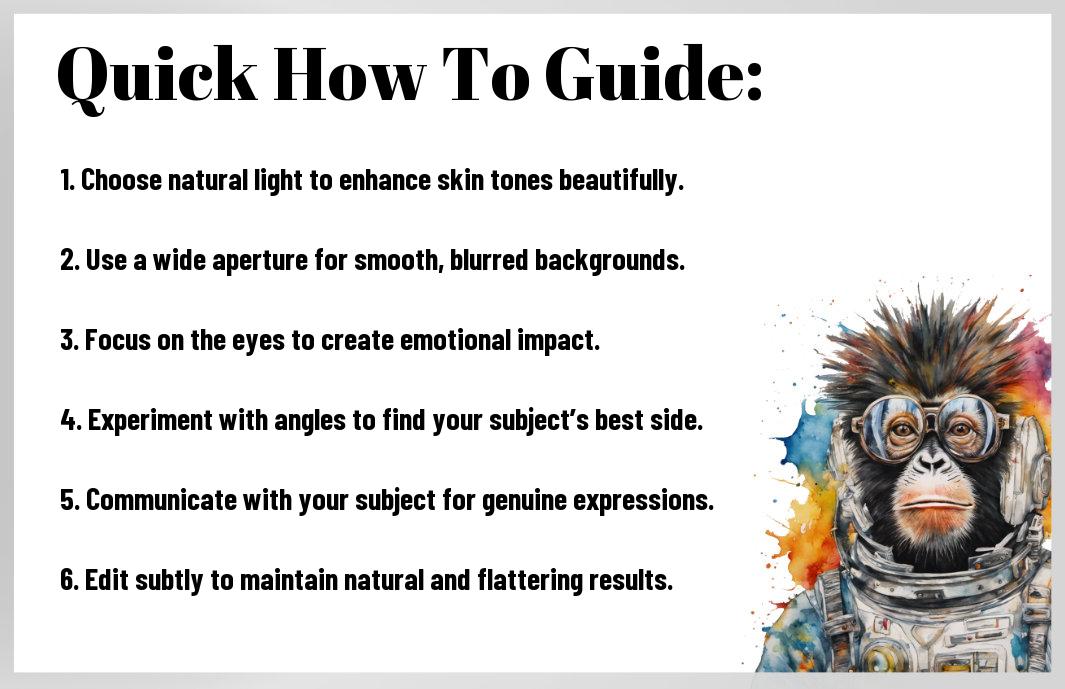
Lighting Secrets: Mastering Natural and Artificial Sources
Mastering light is a game-changer in portrait photography, transforming your images into extraordinary works of art. Whether you’re harnessing the golden hour sun or employing a sophisticated array of artificial lighting setups, understanding how to manipulate natural and artificial sources can significantly impact your portraits. Experiment with backlighting to create stunning silhouettes or use soft, diffused light to capture delicate details in your subject’s features. Each lighting method can evoke different emotions and atmospheres, so explore various techniques to find the perfect blend for your vision.
Essential Gear for Creative Lighting Solutions
Your lighting toolkit plays a pivotal role in achieving captivating portraits. Essentials include reflectors to bounce light and fill in shadows, softboxes for a gentle, flattering diffusion, and speedlights for dynamic and controllable flash options. Investing in a few high-quality light modifiers can elevate your portraits beyond straightforward setups, allowing creative experimentation with shadows and highlights. Accessories like colored gels can also introduce a unique flair, setting your work apart while facilitating an exploration of various moods and tones.
How to Use Shadows to Enhance Portrait Mood
Shadows can be powerful tools for enhancing the emotional depth of a portrait. By deliberately incorporating shadows, you can create a sense of mystery, drama, or intimacy, drawing viewers into your subject’s story. Positioning your light source to create side lighting can sculpt your subject’s features, adding dimension and intrigue. Additionally, experimenting with shadows cast on the background can lead to captivating effects that complement the narrative you want to convey.
Applying shadows effectively means understanding their placement and intensity. Use hard shadows for a bold impact or softer shadows for a more subdued, flattering look. For instance, using a low-angle light source during golden hour can dramatically elongate shadows, resulting in a striking and artistic effect. Alternatively, darkening portions of the image can draw attention to your subject’s expressions, enhancing the overall mood of the portrait. Experimenting with light and shadows fosters an exploration of your creative vision, helping you develop a distinct style that resonates with viewers.
Composition Mastery: Framing Your Subject Like a Pro
Mastering composition in portrait photography elevates your images from ordinary to striking. Balancing elements within the frame draws attention to your subject, enhancing their presence while creating an impactful visual story. Experimenting with various compositional techniques will allow you to capture unique perspectives and showcase the personality of your subjects. By understanding the arrangement of visual elements, you can create portraits that evoke emotion and resonate with viewers.
The Rule of Thirds vs. Breaking the Rules
The Rule of Thirds is a classic compositional guideline that encourages you to divide your frame into a grid of nine equal parts, positioning your subject along these lines or at their intersections. This technique typically creates a balanced and aesthetically pleasing image. However, breaking the rules can yield surprising, dynamic results, as centering your subject or employing unconventional placements might evoke stronger emotion or highlight unique characteristics of your portrait subject.
Powerful Perspectives: Height, Angle, and Location Choices
Your vantage point profoundly influences the storytelling aspect of your portrait. Experiment with shooting from different heights and angles to create varied emotional impacts. A low angle can impart a sense of power and dominance, while a high angle often conveys vulnerability. Additionally, the location you choose can complement your subject; urban backdrops may project edginess, while nature settings can inspire a sense of tranquility. An informed selection of perspective can transform the narrative conveyed through your portraits drastically.
Taking the time to analyze the height, angle, and location significantly influences the final outcome of your portrait. Aerial shots can add intrigue and context, while capturing from below can make your subject appear larger than life. Combining various angles can also showcase different facets of your subject’s personality. For instance, a slight tilt in your frame adds complexity, while shooting in a rustic setting can enhance a warm, intimate mood. Each choice should tie back to the story you want to tell, allowing your unique perspective to shine through in every portrait.
Post-Processing Magic: Transforming Raw Images into Stunning Portraits
Unlocking the full potential of your portrait photography often lies in mastering post-processing. Utilizing software tools like Adobe Lightroom or Photoshop, you can elevate your raw images, enhancing their emotional impact and visual clarity. Paying attention to skin retouching, color grading, and sharpening will help you create compelling portraits that truly resonate with viewers. Post-processing is not just about fixing mistakes; it’s about revealing the artistic vision you had in mind during the shoot. With a little practice, this process can elevate your portraits to an entirely new level.
Essential Editing Techniques for Portrait Enhancement
To enhance your portraits, focus on key techniques such as skin smoothing, color correction, and exposure adjustments. Capture natural skin tones by utilizing the HSL (Hue, Saturation, and Luminance) panel to fine-tune colors. Make subtle brush adjustments for skin retouching to maintain texture while removing distractions. Don’t overlook the power of vignette effects to draw attention to your subject, and utilize sharpening tools selectively to ensure your portraits maintain a polished yet authentic appearance.
Common Pitfalls in Editing and How to Avoid Them
Over-editing is one of the most significant pitfalls in portrait photography. While the temptation to enhance can lead to stunning results, excessive adjustments can result in unnatural images that lack authenticity. Striking the right balance is key; aim for subtlety in skin retouching and avoid pushing sliders to extremes. A good practice is to periodically step back and revisit the original image to ensure you’ve preserved its essence while still achieving the enhancements you aimed for.
Avoiding common pitfalls in editing involves being mindful of the techniques you employ. For instance, over-smoothing skin can make portraits look plastic and lifeless, so aim for a balance that retains natural textures. Comparing your edited image with the original frequently will help keep your changes in check, ensuring you don’t drift too far from the genuine character of your subject. Additionally, relying too heavily on filters can lead to inconsistent results; instead, strive for a cohesive edit that highlights your unique style while remaining true to the subject’s personality. Emphasizing subtlety will work wonders in keeping your portraits relatable and engaging.
The Business of Portraits: Turning Passion into Profit
Shifting from a photography enthusiast to a successful portrait business requires a strategic approach. Understanding your target market and pricing your services accordingly will allow you to establish a sustainable income while doing what you love. Additionally, you must navigate industry standards and legal considerations, such as contracts and model releases, to ensure your business runs smoothly.
Creating a Personal Brand that Stands Out
Your personal brand defines how clients perceive you and sets you apart in a saturated market. Focus on developing a unique aesthetic that reflects your style, values, and personality. Consistently showcase this identity across all platforms—from your website to social media—so potential clients recognize and resonate with your work immediately.
Marketing Strategies for Attracting Clients and Building a Portfolio
Utilizing effective marketing strategies amplifies your reach and opens doors to new opportunities. Leverage social media platforms, engage with photography communities, and participate in local events to network and gain exposure. Create a professional website that highlights your best work and client testimonials, as this establishes credibility. Additionally, consider offering limited-time promotions or portfolio-building sessions to entice potential clients.
Consider developing collaborations with other local businesses or influencers to tap into their audience while showcasing your portrait skills. Strategic partnerships not only enhance your visibility but also allow you to showcase a diverse range of styles and subjects in your portfolio. Promoting your work through blog posts, guest appearances on podcasts, or social media takeovers can further enhance your presence. As you build a strong portfolio, focus on collecting testimonials and engaging with your clients to cultivate lasting relationships, turning one-time clients into repeat business and referrals.
To wrap up
Considering all points, mastering portrait photography involves understanding both technical aspects and the art of connection with your subjects. By experimenting with lighting, composition, and posing techniques, you can enhance your skills significantly. Utilize your camera’s settings effectively and always strive to convey emotion through your images. Regular practice and seeking feedback will accelerate your growth as a photographer. Embrace your unique style while absorbing tips from various sources, and soon you’ll see your portraits evolve into captivating works of art that truly resonate.
Fine Art Photography Prints
Own a museum-quality archival print by Edin Chavez
Hahnemühle archival paper · From $95
BROWSE PRINTS LIMITED EDITIONS